Badminton Heartbeat Life Embroidery Review
As a professional embroidery designer constantly sourcing reliable assets for commercial projects, I approach every new machine embroidery design with a critical eye. When browsing Creative Fabrica for niche sports motifs, the Badminton Heartbeat Life Embroidery file caught my attention. While the product metadata occasionally references wildflowers and hand line art, the core asset is clearly targeted at badminton enthusiasts. For those of us creating custom apparel or personalized gifts for athletes, finding a design that balances sport-specific iconography with modern aesthetic trends is rare. This review evaluates this specific embroidery file based on real-world application for handmade businesses and Etsy sellers.
Visual Mood and Stitch Personality
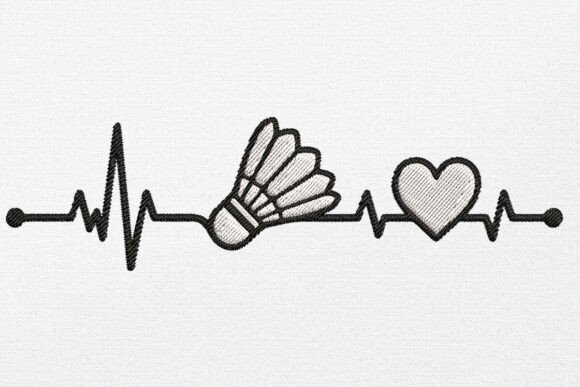
The first impression of the Badminton Heartbeat Life Embroidery design is one of kinetic energy simplified into clean lines. Unlike bulky, old-school athletic logos that rely heavily on dense fill stitch areas, this design appears to utilize a heartbeat motif integrated with badminton equipment silhouettes. From a digitizing perspective, this minimalist approach is excellent for reducing stitch count while maintaining high visual impact. The "heartbeat" element suggests a rhythm that likely translates to running stitch or light satin columns, making it feel contemporary rather than dated.
For creative entrepreneurs, this visual mood is versatile. It does not look like a generic clip-art addition; instead, it feels like intentional branding. Whether you are designing for a local club, a tournament souvenir, or a lifestyle brand for racket sports, the design carries a sense of passion ("Life") without being overly aggressive. This emotional resonance is crucial when selling handmade products, as buyers connect with items that reflect their identity beyond just the sport itself.
Performance on Apparel and Accessories
In my studio, I evaluate designs based on how they perform across different substrates. The Badminton Heartbeat Life Embroidery seems optimized for the lightweight fabrics often used in athletic wear. Because the design likely avoids massive solid blocks of thread, it is an ideal candidate for performance t-shirts and moisture-wicking polos where heavy embroidery can cause puckering or discomfort.
However, its utility extends beyond activewear. I can envision this tote bag design working beautifully on canvas shoppers sold at craft fairs. The linear nature of a heartbeat design typically stabilizes well on woven cottons. For sweatshirt embroidery, specifically on fleece or French terry, the open spaces in the design prevent the stiff "bulletproof vest" effect that plagues poorly digitized sports graphics. If you are producing merchandise for badminton coaches or team moms, this design offers a softer, more fashionable alternative to standard team crests.
It is worth noting the product category listing includes "Toys." While primarily an apparel graphic, this could be adapted for plush items or fabric blocks if scaled correctly. However, always verify the hoop size and dimensions before attempting to stitch on curved or difficult surfaces like stuffed animals. The design’s flow suggests it would also work exceptionally well as an embroidered patch, provided the border is secure enough for merrowing or heat sealing.
Technical Considerations for Commercial Use
Before adding this digital embroidery file to your production queue, several technical factors require verification. As experienced embroiderers know, screen visuals can be deceiving. You must confirm the actual stitch density. A heartbeat line that looks smooth on a monitor might have insufficient underlay for stretchy knit fabrics, leading to distortion during washing. Always run a test sew-out on scrap fabric that matches your final project's weight and stretch.
Thread color selection will define the success of this design. High contrast is usually best for heartbeat motifs to ensure readability from a distance. If stitching on dark navy or black garments common in badminton uniforms, ensure the design includes adequate pull compensation. Dark fabrics tend to swallow stitches, so you may need to adjust the width of any satin stitch elements in your machine software. Conversely, on white or light grey fabrics, check for any jump stitches or trims that might be visible; minimalist designs leave little room to hide messy transitions.
Stabilizer choice is non-negotiable. For the lightweight knits this design targets, a cut-away stabilizer is generally safer than tear-away to maintain the integrity of the fine lines over time. If using this for kitchen towels or pillow covers, a medium-weight tear-away may suffice, but only if the design density allows it. Never assume a universal stabilizer setting works for every Creative Fabrica embroidery download; treat each file as unique.
Enhancing Product Value and Buyer Trust
Using specialized designs like Badminton Heartbeat Life Embroidery signals to customers that you understand their niche. Generic sports designs are everywhere, but specific badminton life-cycle art creates an immediate connection. This specificity increases perceived value. A customer is willing to pay a premium for a personalized gift that speaks directly to their hobby rather than a generic "sports lover" item.
For Etsy sellers and small business owners, presentation is everything. Because this design has a distinct linear aesthetic, it photographs well. Create a printable mockup or photograph a physical sample on a hanger to show how the design drapes. Flat-lay photography of the embroidered item alongside actual badminton gear (shuttlecocks, rackets) enhances the lifestyle appeal. This contextual styling helps bridge the gap between a digital file and a tangible, desirable product.
Furthermore, consistency builds trust. If you use this design as part of a broader badminton collection, ensure your other design assets share a similar stitch style and weight. Mixing a delicate line-art heartbeat with a heavy, dense-fill mascot on the same shop page can create a disjointed brand experience. Cohesion in your commercial embroidery offerings encourages repeat business and higher average order values.
Practical Workflow Checklist
To ensure the Badminton Heartbeat Life Embroidery meets professional standards, follow this evaluation workflow:
- Verify Licensing: Before selling any finished product, double-check the specific license terms on the Creative Fabrica product page. Ensure commercial use is permitted for physical goods and clarify any restrictions on digital redistribution.
- Audit File Formats: Confirm the download includes your machine’s native format (PES, DST, JEF, etc.) to avoid conversion errors that can alter stitch paths or trim commands.
- Test Small Details: If the design includes text or tiny racket details, inspect them closely after a test run. Tiny lettering often requires needle size adjustments or thread weight changes (e.g., switching to 60wt thread).
- Check Color Stops: Review the color change sequence. Efficient production requires logical color sorting to minimize stops and trims. You may need to edit the file to combine identical colors.
- Evaluate Washability: If intended for baby blankets or frequent-wash items, stress-test the sample. Minimalist running stitches can sometimes pull out if not locked properly; ensure the digitizer included adequate tie-ins and tie-offs.
Final Thoughts for Makers
The Badminton Heartbeat Life Embroidery represents a valuable asset for makers targeting the racket sports niche. Its potential for modern, wearable applications makes it superior to traditional, heavy athletic logos. However, its success depends entirely on your technical diligence. By verifying thread colors, testing on appropriate substrates, and respecting licensing terms, you can transform this embroidery file into a profitable line of custom apparel and gifts. Always prioritize the quality of the stitch-out over the speed of production; your reputation as a maker depends on the durability and beauty of every hoop.