Ballerina Pig Embroidery: A Designer’s Stitch Test
When evaluating a new machine embroidery design for my custom apparel line, I look beyond the digital preview. The screen tells me what the artwork looks like, but only the needle tells me if it is actually viable for a handmade product. Recently, I tested the Ballerina Pig Embroidery to see if this whimsical character could transition from a cute digital file to a high-quality nursery item and commercial merchandise. As someone who supplies both individual clients and small shop owners, I need designs that stitch out cleanly, hold up to washing, and possess enough personality to justify a premium price point.
First Impressions and Visual Character
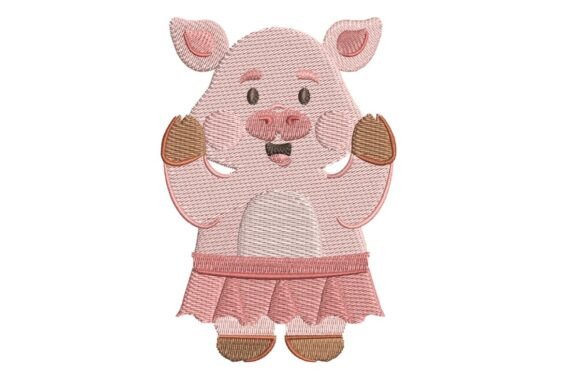
My initial assessment of the Ballerina Pig Embroidery focused on its emotional resonance and layout. In the embroidery market, specifically within the nursery category, there is a fine line between "juvenile" and "timeless." This design strikes a balance by combining the classic charm of a pig with the elegance of ballet. The tutu element adds necessary texture and movement, preventing the design from looking static or flat.
From a designer's perspective, the shape is compact yet distinct. It does not have awkward negative space that wastes hoop area, nor is it so dense that it risks puckering lightweight fabrics. The visual weight feels appropriate for a baby embroidery project, where heavy, stiff stitching can ruin the drape of a garment. The pink tones are soft rather than neon, which suggests it will photograph beautifully for printable mockups and social media listings without requiring excessive color correction.
Real-World Application: The Custom Sweatshirt Test
To truly judge this digital embroidery file, I prepared a real-life scenario involving a custom fleece sweatshirt for a toddler’s birthday gift. Fleece is a common choice for Etsy sellers and craft businesses, but it presents specific challenges due to its pile and stretch. I wanted to see if the Ballerina Pig Embroidery would get lost in the fabric texture or stand out as a focal point.
During the stitching process, I observed how the design handled the transition between different stitch types. If the design utilizes a combination of satin stitch for outlines and fill stitch for the body, the registration must be precise. On my test sweatshirt, the edges remained crisp despite the fuzzy substrate. This is critical for commercial embroidery because customers associate clean edges with professional quality. A design that frays or sinks into the fleece devalues the entire finished product.
I also considered how this would work as a tote bag design. Canvas tote bags require higher density to prevent the stitches from sinking into the weave. Because the Ballerina Pig Embroidery has defined shapes, it translated well to canvas without needing significant modification. For an embroidered patch, the silhouette is strong enough to be recognizable even when scaled down, making it versatile for various small shop products.
Fabric Compatibility and Stabilizer Strategy
Not every embroidery project uses stable cotton. When planning to use this design on stretchy knits or textured linens, your stabilizer choice matters more than the thread brand. Based on my review, here is how I recommend approaching different substrates:
- Stretchy Knits (Onesies, T-Shirts): Use a cut-away stabilizer to maintain the integrity of the design over time. Wash-away toppings may be necessary if the knit has a loose gauge to prevent the needle from pushing fabric into the bobbin case.
- Textured Fabrics (Terry Cloth, Fleece): Always use a water-soluble topping. This keeps the stitch density visible on top of the pile rather than disappearing into it.
- Woven Cottons (Quilts, Pillow Covers): A medium-weight tear-away usually suffices, but check the hoop size requirements first to ensure you have adequate margin for hooping.
If you intend to use this as an applique design, verify that the tack-down stitches are secure enough for the fabric edge. Loose tacking leads to fraying after the first wash, which is unacceptable for a personalized gift meant to last years.
Commercial Viability for Sellers and Makers
For creative entrepreneurs and apparel decorators, time is money. A design that requires constant troubleshooting eats into profit margins. The Ballerina Pig Embroidery appears optimized for production efficiency. The color changes seem logical, minimizing thread trims and jump stitches. Fewer stops mean faster run times, which is essential when fulfilling bulk orders for holiday embroidery seasons or boutique branding.
Furthermore, the aesthetic versatility increases its ROI. This isn't just a baby design; it appeals to adult ballet enthusiasts, farm-themed wedding parties, and general animal lovers. This broad appeal makes it a safer investment for digital product sellers who need assets that cater to multiple niches. When creating listings, the design’s clarity allows for easy editing in software to add names or dates, enhancing its value as a customizable asset.
Critical Pre-Stitch Checklist for Professionals
Before listing any item featuring this design or selling the file itself, I strongly advise running through a technical validation process. Never assume a embroidery file is perfect straight out of the box. Your reputation depends on the final output.
- Verify Licensing: Confirm whether your purchase includes commercial rights for selling physical goods versus digital files. Terms vary significantly between designers.
- Check Dimensions: Ensure the design fits your specific hoop size with adequate clearance. Resizing can alter stitch density and cause thread breaks or coverage gaps.
- Test Thread Colors: Screen colors rarely match physical threads. Stitch a sample using your actual thread colors to ensure the pinks provide enough contrast against your chosen fabric backgrounds.
- Inspect Small Details: Zoom in on the digitizing path. Are there tiny satin columns that might break needles? Is the text (if included) legible at smaller sizes?
- Wash Test: For custom apparel, wash and dry your test swatch three times. Check for puckering, thread shrinkage, or color bleeding before committing to a client order.
Final Verdict on Design Integrity
The Ballerina Pig Embroidery succeeds because it respects the limitations and strengths of machine embroidery. It avoids overly complex gradients that print better than they stitch, opting instead for clean lines and distinct color blocks that translate beautifully to thread. Whether you are making a holiday gift for a niece or stocking your Etsy shop with unique nursery decor, this design offers a reliable foundation.
However, success ultimately relies on the maker's preparation. Treat this design as a professional component of your business. Test it, stabilize correctly, and present it with the same care you put into the stitching. When executed properly, this charming ballerina pig elevates the perceived value of your work, turning a simple piece of fabric into a cherished keepsake or a best-selling product. Always remember that in our industry, trust is built one stitch at a time, and choosing designs that perform reliably is the first step in maintaining that trust with your customers.