Christmas Penguin Embroidery Design Review
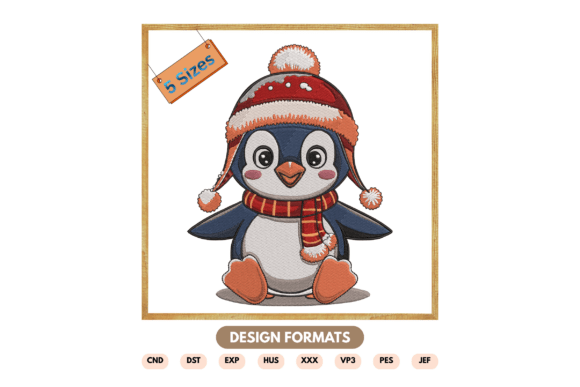
As a professional embroidery designer constantly sourcing reliable assets for commercial projects, I approach every new machine embroidery design with a critical eye. When browsing Creative Fabrica embroidery collections for seasonal inventory, the Christmas Penguin Embroidery Design immediately caught my attention. The product description promises festive charm and professional digitization, featuring a penguin in a cozy hat and scarf. However, for those of us running handmade shops or fulfilling custom apparel orders, visual appeal is only half the battle. The true test lies in how the embroidery file performs under the needle and whether it translates into a high-value finished product.
First Impressions and Digitizing Quality
My initial evaluation of this Christmas Penguin Embroidery Design focused on its visual mood and structural integrity. The aesthetic is undeniably cute, fitting perfectly into the current market demand for whimsical winter nursery decor and personalized holiday gifts. The penguin’s expression and the texture implied by the hat and scarf suggest a balanced mix of stitch types. From a digitizer's perspective, I look for clean transitions between satin stitch outlines and fill stitch bodies. A professionally digitized file should minimize jump stitches and ensure that layered details, like the scarf over the penguin's body, register correctly without causing fabric distortion.
The "cozy" aspect mentioned in the description is crucial. In embroidery, conveying texture requires intelligent stitch direction and density. If this design utilizes varied stitch angles to simulate the knit of the hat or the fluff of the scarf, it will elevate the perceived value of any handmade product you create. Conversely, if the texture is merely flat fill, the design may look generic. Based on the preview, this design appears to have enough character to stand out in Etsy listings and craft fair displays, provided the digitizing supports that visual depth.
Real-World Application: Apparel and Accessories
I evaluated this Christmas Penguin Embroidery Design specifically for a potential client order involving fleece sweatshirts and canvas tote bags. These two substrates represent opposite ends of the embroidery spectrum, testing the versatility of the digital embroidery file.
Sweatshirt and Custom Apparel Performance
For sweatshirt embroidery, the primary concern is stabilizing stretchy knit fabrics. A design with excessive stitch density can cause puckering or make the garment stiff and unwearable. This penguin design seems appropriately sized for chest placement or sleeve accents. When stitching on fleece, I recommend using a cut-away stabilizer to support the weight of the design. The hat and scarf elements likely contain satin columns; on textured fleece, these must be wide enough to prevent sinking into the fabric pile while remaining narrow enough to avoid thread breaks. If you are producing custom apparel for sale, test the drape of the fabric after stitching to ensure the penguin doesn't create a heavy, rigid spot on the chest.
Tote Bags and Kitchen Textiles
Canvas tote bags and kitchen towels offer a stable, woven surface that is forgiving for detailed work. This makes them ideal candidates for showcasing the finer points of this Christmas Penguin Embroidery Design. For a tote bag design, the penguin serves as an excellent focal point. Because canvas is durable, you can utilize higher contrast thread colors without worrying about the fabric giving way. This design would also translate beautifully to flour sack towels for holiday baking gifts. The smooth surface of towel fabric allows running stitch details and facial features to remain crisp, which is essential for maintaining the "adorable" factor at smaller sizes.
Technical Considerations for Commercial Use
Before adding this design to your production queue, there are several technical factors to verify. While the description states it is professionally digitized, every machine and fabric combination behaves differently.
- Hoop Size Verification: Always confirm the physical dimensions of the design against your available hoops. A design that fits a 4x4 hoop offers more commercial versatility than one requiring a 5x7, especially for baby items and patches.
- Stitch Density Check: Open the embroidery file in your editing software to inspect density settings. If you plan to stitch on dark fabrics, ensure the white areas (like the penguin's belly) have sufficient underlay to prevent the fabric color from showing through.
- Small Detail Integrity: Examine the eyes and beak. If these are tiny satin stitches, they may require adjustment when resizing. Never reduce a design below 60% of its original size without re-digitizing or checking for stitch overlap, as this leads to needle breaks and poor registration.
- Stabilizer Selection: Match your stabilizer to the end use. Use tear-away for stable items like pillow covers and patches, but stick to cut-away for wearable commercial embroidery projects to ensure longevity through washing.
Enhancing Product Value and Buyer Trust
Using high-quality design assets like this Christmas Penguin Embroidery Design directly impacts buyer trust and brand consistency. Customers can distinguish between a cheap, jagged stitch-out and a smooth, professional finish. When this design is executed well, it signals that your shop cares about quality.
For Etsy sellers and creative entrepreneurs, presentation is everything. Create a printable mockup or photograph a physical sample on a textured background to show scale and stitch quality. Highlighting the "cozy hat and scarf" detail in macro photography can drive engagement. Furthermore, consider how this design pairs with others. Does it match the style of other winter designs in your shop? Consistency in digitizing style across your catalog builds a cohesive brand identity that encourages repeat purchases.
This design also holds significant potential for personalized gift sets. Imagine this penguin paired with a child’s name on a baby blanket or an embroidered patch for a holiday stocking. The universal appeal of penguins makes it a safe yet distinctive choice for boutique merchandise. Just ensure you check the specific license terms on the Creative Fabrica product page regarding commercial use of the finished product versus selling the digital file itself.
Practical Workflow Notes for Designers
To get the best results from this Christmas Penguin Embroidery Design, follow this practical workflow:
- Test Stitch: Always run a test on scrap fabric similar to your final project. Inspect the registration of the scarf layers and the clarity of the face.
- Thread Contrast: Verify thread colors against both light and dark fabrics. White thread on white fleece requires different tension and underlay than white thread on navy cotton.
- File Inspection: Before purchasing, review the included formats and stitch count. Ensure compatibility with your machine and that the complexity matches your skill level and equipment capabilities.
- Wash Test: If selling baby items or kitchen textiles, wash your test sample. Check for thread shrinkage or stabilizer residue that could affect the customer experience.
- Licensing Compliance: Confirm whether the license covers mass production or limited small-business sales. Respecting intellectual property protects your business reputation.
Ultimately, the Christmas Penguin Embroidery Design represents a promising asset for holiday production. Its blend of festive charm and potential for professional application makes it worthy of consideration for serious embroiderers. By applying proper stabilization techniques, verifying technical specs, and presenting the final output with care, you can transform this digital file into profitable, cherished handmade goods. Whether you are creating an applique design variation or sticking to the standard fill, success lies in respecting the interplay between the digitizing and the substrate. Happy stitching!