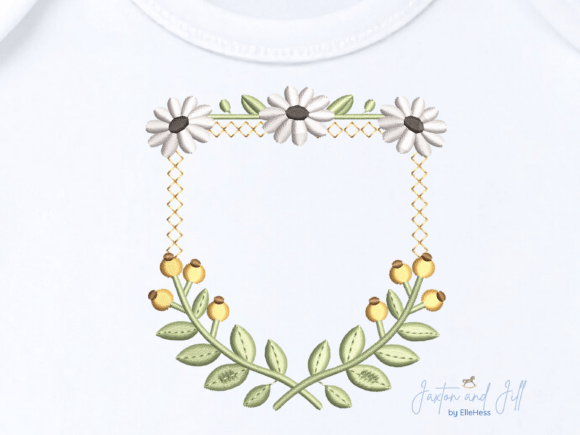
Daisy Monogram Frame Embroidery Design Review
As an embroidery designer who regularly sources assets for both personal creative projects and commercial client orders, I approach every new machine embroidery design with a critical eye. When browsing Creative Fabrica embroidery collections, it is easy to be captivated by digital renderings, but the true test lies in how a design translates from screen to fabric. After evaluating the Daisy Monogram Frame Embroidery Design for potential use in upcoming spring collections, I want to share my honest assessment of its practicality, aesthetic value, and suitability for real-world production.
First Impressions and Visual Aesthetic
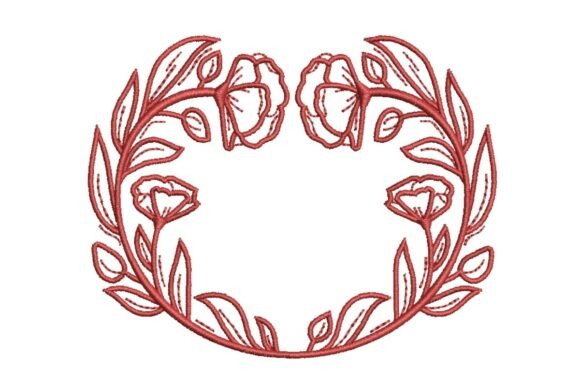
The immediate appeal of this design lies in its soft, romantic composition. Unlike rigid geometric frames, this floral wreath offers an organic structure that feels hand-painted rather than digitized mechanically. The combination of delicate white daisies, gentle greenery, and golden berry accents creates a balanced color palette that evokes a classic cottage-core or vintage spring aesthetic. For designers creating custom apparel or nursery decor, this visual mood is highly marketable.
From a digitizing perspective, the decorative stitched border appears to serve a dual purpose: it defines the monogram space while anchoring the floral elements. This is crucial for maintaining registration during stitching. The design avoids overly complex shading, which often leads to thread breaks or excessive density issues on lighter fabrics. Instead, it relies on clean lines and distinct color blocks, suggesting a thoughtful approach to stitch density that prioritizes fabric integrity over unnecessary coverage.
Evaluating Performance on Real Projects
When considering this embroidery file for actual production, versatility is key. Based on the design's characteristics, here is how I anticipate it performing across various substrates:
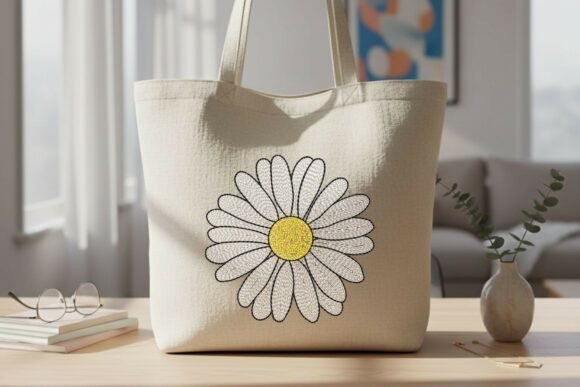
- Tote Bag Design: Canvas and linen are ideal bases for this frame. The natural fibers hold detailed florals well, and the open center provides ample space for three-letter monograms or single names. The rustic elegance of the daisies complements unbleached canvas perfectly.
- Sweatshirt Embroidery: For fleece or French terry, stabilizer choice becomes paramount. Because the design features fine details like golden berries and small leaves, using a cut-away stabilizer is necessary to prevent puckering. The frame size likely works best as a left-chest placement or a centered yoke design rather than a full-back print.
- Baby Items and Nursery Decor: The soft colorway makes this an excellent candidate for baby blankets and bibs. However, when stitching on plush fabrics like minky or velour, I recommend testing first. The delicate nature of the daisies could get lost in high-pile textures unless a water-soluble topping is used to keep the stitches crisp.
- Kitchen Towels and Aprons: This is perhaps the strongest use case. The spring theme aligns naturally with kitchen textiles. The frame allows for personalization (e.g., "The Smith Family" or a baker’s name) without overwhelming the functional aspect of the item.
Technical Considerations for Small Details
One specific area of caution involves the golden berry accents and tiny leaf details. In many floral wreaths, these small elements can become problematic if the hoop size is reduced significantly. Before committing to a smaller format, verify the minimum resize limits specified in the product details. Shrinking a design too much can cause satin stitches to merge or running stitches to disappear into the weave of the fabric.
If you plan to use this as an applique design element or combine it with other assets, pay attention to the jump stitches. While modern machines trim automatically, intricate floral frames sometimes require manual trimming between color changes to maintain a professional finish on the backside, especially for items like pillow covers where the reverse side might be visible or felt against skin.
Commercial Value and Brand Consistency
For Etsy sellers and boutique owners, the Daisy Monogram Frame Embroidery Design offers significant commercial potential. Its timeless style avoids trendy pitfalls, meaning products made today will still look relevant next season. This longevity is essential for building a cohesive brand identity. When customers see this frame on a personalized gift, they associate the quality and aesthetic with your shop.
Furthermore, this design photographs exceptionally well. The contrast between the white daisies and green foliage pops in product photography, even on light backgrounds. For sellers relying on printable mockups before physical sampling, ensure your mockup software accurately represents the texture of the stitches. Flat vector mockups often fail to capture the dimensionality of the golden berries and stitched borders, potentially misleading buyers about the tactile quality of the finished product.
Practical Workflow Notes for Designers
To ensure success with this digital embroidery file, I recommend the following workflow adjustments based on professional experience:
- Verify Licensing: Always confirm the specific license terms on the Creative Fabrica product page. Ensure you have the rights to sell finished embroidered goods versus just using the file for personal projects. Commercial embroidery requires clear legal boundaries.
- Stabilizer Testing: Do not assume one stabilizer fits all. Test on scrap fabric that matches your final project weight. For stretchy knits, use a fusible cut-away; for woven cottons, a tear-away may suffice. The goal is to support the dense border without adding stiffness to the daisy petals.
- Thread Color Matching: While the design calls for white, green, and gold, "white" varies wildly between brands. Compare your thread inventory against the design’s color sheet. An optical white might look too harsh against cream linen, whereas a soft white or ecru might blend better. Similarly, ensure the gold accent thread has enough sheen to stand out against the matte greenery.
- Fabric Contrast Check: If stitching on dark fabric, remember that white daisies require underlay to prevent the dark fabric from showing through. Check if the digitizer included adequate underlay for light threads on dark backgrounds. If not, you may need to add a layer of white fill stitch manually in your editing software before production.
- Mockup vs. Reality: Create a physical sample before listing any new product featuring this frame. Digital renders cannot predict how the decorative stitched border interacts with textured weaves. A 10-minute test stitch-out saves hours of rework and protects your reputation for quality.
Final Thoughts on Usability
The Daisy Monogram Frame Embroidery Design stands out as a versatile asset for creators focusing on spring and summer collections, wedding accessories, or everyday personalized goods. Its strength lies in its balance of detail and openness, allowing it to function as both a standalone art piece and a functional frame for text.
However, like any design assets sourced from digital marketplaces, it requires professional judgment during application. Success depends less on the file itself and more on your understanding of fabric behavior, stabilization, and color theory. By treating this design as a foundation rather than a guaranteed outcome, and by respecting the technical constraints of small details and stitch types, you can elevate your handmade products and deliver the elegant, soft aesthetic that customers seek in floral embroidery.
Whether you are updating your Etsy shop with fresh seasonal listings or fulfilling a custom order for a bridal party, this frame offers a reliable starting point. Just remember to check the file specifications, test thoroughly, and let your craftsmanship bring the digital design to life.