Floral Line Art: A Boutique Sweatshirt Review
As an embroidery designer preparing for a seasonal capsule collection, I am constantly evaluating digital assets to ensure they translate beautifully from screen to fabric. When sourcing for a premium boutique brand, the margin for error is slim. We are not just selling apparel; we are selling a feeling of curated comfort and intentional style. Recently, I tested the Floral Embroidery Design, Line Art for a limited-edition sweatshirt drop, and my evaluation process offers valuable insights for fellow Etsy sellers, apparel decorators, and creative entrepreneurs looking to elevate their custom apparel offerings.
First Impressions and Aesthetic Versatility
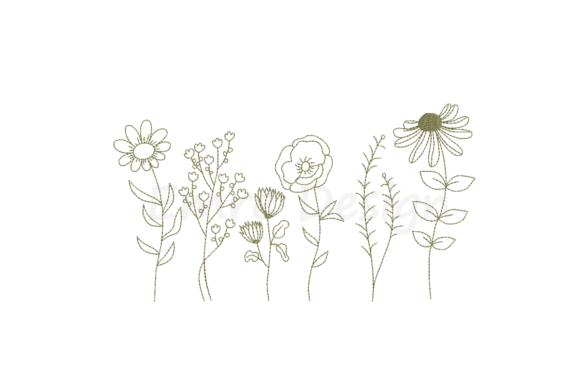
The initial appeal of this machine embroidery design lies in its deceptive simplicity. Line art florals often risk looking sparse or unfinished if the digitizing lacks confidence, but this design carries a distinct stitching personality. It strikes a delicate balance between minimal modernism and rustic charm. For a small shop product, this versatility is gold. During my review, I visualized this motif across three distinct aesthetic lanes essential for a cohesive boutique brand.
On neutral oatmeal and sand-colored sweatshirts, the design reads as organic and high-end, perfect for customers seeking quiet luxury. When tested against dark charcoal and navy fabrics, the single flowers pop with a bold, graphic quality that feels more streetwear-adjacent. For pastel hoodies, the whimsical nature of the line work softens into something undeniably feminine and cute. This chameleon-like ability to shift mood based on thread colors and base garments makes it a reliable asset for lifestyle product photography and mockup previews.
Placement Strategy for Commercial Apparel
A successful hoodie design is defined by where it lives on the garment. While the product description suggests versatility for t-shirts, towels, and home decor, my focus was strictly on apparel hierarchy. For our oversized hoodie silhouette, I evaluated the Floral Embroidery Design, Line Art for left-chest placement. The scale works exceptionally well here, offering enough detail to be interesting without overwhelming the wearer’s frame. It sits comfortably above the pocket seam, creating a balanced focal point that photographs well for Instagram and Etsy listings.
Beyond the chest, this design shows promise as a sleeve accent. Running a smaller iteration down the forearm adds that extra handmade product value that justifies a higher price point. For back designs, however, caution is advised. Line art can sometimes get lost in the expanse of a sweatshirt back unless scaled significantly or paired with typography. As a standalone element, it shines brightest as a secondary detail or a primary chest logo rather than a massive back piece. This strategic placement ensures the finished product looks intentional rather than like a generic clip-art application.
Technical Evaluation: Density and Fabric Interaction
The most critical aspect of reviewing any embroidery file for commercial use is technical integrity. Sweatshirt embroidery presents unique challenges due to fabric texture and thickness. Fleece and French terry have a pile that can swallow fine details. I scrutinized the stitch density of this floral line art to ensure it would survive production.
For line art specifically, we need a running stitch that is substantial enough to sit on top of the fleece nap without tunneling. If the stitch density is too low, the threads sink into the fabric, making the design look cheap and worn before it even reaches the customer. In my assessment, this design appears optimized for medium-weight knits, but I strongly recommend testing on your specific blank. You must verify that the underlay is sufficient to stabilize the stretchy knit fabric. Without proper stabilizer choice—typically a cutaway for permanent support on sweatshirts—even the best digital embroidery file will result in puckering or distortion.
Thread color contrast is another non-negotiable factor. Because line art relies entirely on outline definition, tonal matching is risky. I advise using high-contrast thread colors against the garment base to maintain readability at a distance. Always check the hoop size requirements before purchasing to ensure the design fits your machine’s capabilities without needing resizing, which can alter stitch angles and compromise the artistic flow of the floral curves.
Elevating Brand Value and Customer Trust
Why does this level of scrutiny matter? Because in the saturated market of custom apparel and digital sellers, quality is the primary differentiator. Using a well-digitized Floral Embroidery Design, Line Art signals to buyers that your boutique brand cares about craftsmanship. When a customer receives a sweatshirt where the embroidery is crisp, centered, and durable through washing, it builds immediate trust. They recognize the difference between a mass-produced print and a thoughtful embroidered piece.
This design contributes directly to perceived product value. The "whimsical touch" mentioned in the description translates to emotional connection when executed correctly. For Etsy sellers, showcasing close-up macro shots of the stitch texture in your listing photos proves the quality of your work. It moves the conversation from "what is this picture?" to "I want to wear this texture." Furthermore, consistent use of cohesive design assets like this floral motif helps establish visual recognition. Customers begin to associate that specific line art style with your shop, fostering brand loyalty and repeat engagement.
Practical Considerations for Production Runs
Before adding this to your next drop, address the logistical realities of commercial embroidery. While the design is charming, you must confirm the licensing terms for commercial use on apparel. Never assume a machine embroidery design is cleared for boutique sales without verifying the designer's specific permissions. Additionally, consider the production time. Line art generally stitches out faster than filled satin stitch designs, which is excellent for maintaining profit margins on small batch runs. However, speed should never sacrifice tension checks.
Washing durability is the final test. Line art on fleece can be prone to snagging if the top thread tension is too tight or the bobbin tension is too loose. Run a wash test on a sample garment. Does the design hold its shape after a cycle? Do the threads remain secure? These practical validations protect your reputation. A beautiful design that unravels after one wash destroys buyer trust faster than any other mistake.
Final Verdict for Creative Entrepreneurs
The Floral Embroidery Design, Line Art is a strong contender for small clothing brands and handmade business owners focusing on cozy, seasonal apparel. Its strength lies in its adaptability across different fabric colors and its suitability for trendy placements like chest logos and sleeve accents. However, success depends entirely on technical execution. Verify your stabilizer strategy, test stitch density on your specific sweatshirt blanks, and ensure high-contrast thread selection.
When treated with professional respect and technical diligence, this design transcends being merely a digital file. It becomes a tangible component of your brand identity, helping you create custom apparel that resonates with customers seeking authentic, high-quality embroidered goods. Whether you are building a printable mockup for pre-orders or stitching the final sample for a photoshoot, approach this floral line art with the intentionality your boutique deserves. The result will be a product that feels as good as it looks, securing your place in the competitive landscape of handmade fashion.