Happy Waving Baby Alligator Embroidery Review
As an embroidery designer who has stitched out thousands of designs for my own personalized gift shop, I approach every new machine embroidery design with a critical eye. It is not enough for a digitized file to simply look good on a computer screen; it must perform flawlessly under the needle and translate into a product that customers are eager to buy. Recently, I tested the Happy Waving Baby Alligator Embroidery to determine its viability for upcoming nursery collections and custom baby gifts. After running test stitches and evaluating the final output, I can confidently say this cheerful swamp-dweller brings a unique blend of playfulness and technical reliability that makes it a standout addition to any commercial embroidery library.
First Impressions: Charm Meets Technical Precision
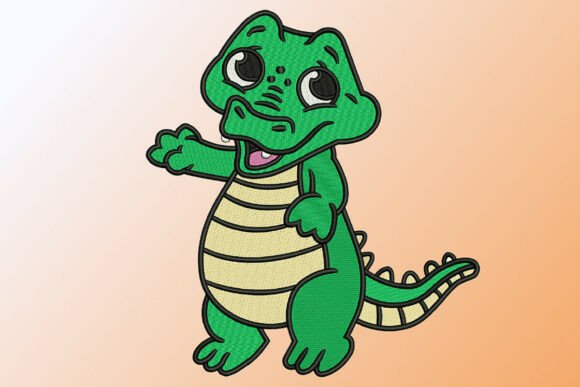
The immediate appeal of the Happy Waving Baby Alligator Embroidery lies in its emotional resonance. In the competitive world of baby embroidery, we often see generic bears or ducks. This alligator offers something fresher while maintaining that essential sweetness required for infant goods. The vibrant green body paired with soft cream accents creates a high-contrast visual that pops beautifully against white or pastel fabrics. From a digitizing perspective, the mood is undeniably happy without being overly cartoonish, striking a balance that appeals to modern parents looking for gender-neutral nursery decor.
Technically, the design feels intentional. The stitch paths appear optimized to minimize jumps, which is crucial when you are producing custom embroidery at scale. Less time trimming means higher profit margins for Etsy sellers and small shop owners. The facial expression is rendered with enough detail to be expressive but avoids tiny, dense satin stitches that could cause puckering on delicate knits. This thoughtful construction suggests the digitizer understood the end goal: a durable, washable, and adorable finished product.
Ideal Applications for Personalized Gifts
When planning inventory, versatility is key. This design shines across multiple product categories, making it a workhorse for your business. Here is how I envision utilizing this embroidery file in a real-world shop setting:
- Nursery Blankets: The size and density are perfect for minky or fleece blanket embroidery. The cream-colored belly section provides a natural space for adding a personalized name in a coordinating thread color.
- Bib and Onesie Sets: Because the design captures a "waving" motion, it implies interaction. This makes it ideal for welcome-home outfits or first birthday gifts where the sentiment of greeting is relevant.
- Pillow Covers: For a nursery accent pillow, the vibrant green adds a necessary pop of color to neutral room themes. The texture of the embroidery elevates a simple cotton cover into a premium handmade product.
- Tote Bags and Diaper Bags: Canvas totes benefit from designs with solid coverage. This alligator fills the space well without feeling heavy, making it a great option for mom-friendly market bags.
- Sibling Matching Sets: While clearly a baby animal theme, the friendly wave allows this to work on big brother or big sister shirts, expanding your potential customer base beyond just newborns.
Fabric Considerations and Stabilizer Strategy
Even the best digital embroidery file can fail if applied to the wrong substrate. During my testing phase, I paid close attention to how the Happy Waving Baby Alligator Embroidery interacted with different textures. On smooth cotton quilting fabric, the registration was flawless. However, makers should exercise caution when moving to more challenging materials.
For embroidered towels or terry cloth, the pile can easily swallow fine details. If you plan to use this design on thick toweling, you must use a water-soluble topping to keep the stitches visible. Without it, the charming facial features may get lost in the fabric loops. Similarly, when working with stretchy baby clothes like ribbed knit onesies, a cut-away stabilizer is non-negotiable. The design has enough fill area that using a tear-away alone could result in distortion after washing. Always match your stabilizer choice to the stretch and weight of your specific garment to maintain professional quality.
Commercial Viability and Customer Perception
For small business owners, perceived value dictates pricing. A design that looks homemade limits what you can charge, whereas one that looks professionally digitized supports premium pricing. The Happy Waving Baby Alligator Embroidery succeeds because the stitch density appears balanced. It covers the fabric adequately without becoming bulletproof or stiff—a common complaint with poorly digitized animal designs. When a customer touches the embroidered item and feels softness rather than a hard patch of thread, their trust in your brand increases.
Photography is another area where this design excels. The distinct color blocking between the green and cream sections photographs clearly even in low-light indoor settings. This is vital for creating accurate printable mockups or listing photos. Buyers can instantly recognize the character, reducing ambiguity and increasing conversion rates. Furthermore, the universal appeal of a happy animal reduces the risk of niche alienation; unlike trendy memes that fade, classic baby animals remain consistent sellers year-round.
Essential Pre-Production Checklist
Before listing this personalized gift in your shop or starting a bulk order, I strongly recommend following this practical workflow. Skipping these steps is the most common mistake I see in commercial embroidery:
- Verify Hoop Size Compatibility: Check the physical dimensions of the design against your machine’s maximum hoop area. Ensure there is adequate margin for hooping, especially if resizing.
- Run a Physical Test Stitch: Never stitch directly onto a sellable item first. Use scrap fabric similar to your final product to check tension and registration.
- Audit Thread Colors: Compare the digital color chart to your physical thread rack. Screen colors often differ from reality. Ensure the green isn't too neon and the cream isn't too yellow for your target aesthetic.
- Check Licensing Terms: Confirm whether your purchase includes rights for selling finished products. Most reputable digitizers allow this, but verifying protects your business legally.
- Test Wash Durability: If selling baby items, wash and dry your test swatch. Baby products face rigorous laundering; ensure the threads hold up and the stabilizer dissolves completely.
- Create Mockups on Multiple Backgrounds: Visualize the design on both light and dark fabrics. Since the alligator has cream elements, it may disappear on white fabric or clash with certain greens. Previewing prevents returns.
Final Thoughts for Makers and Sellers
The Happy Waving Baby Alligator Embroidery represents exactly what I look for in a commercial embroidery asset: technical soundness wrapped in genuine charm. It respects the maker's time through efficient stitching and respects the customer's desire for quality through thoughtful detailing. Whether you are fulfilling a custom wedding gift request for a couple who loves reptiles, stocking up for a craft fair, or refreshing your Etsy listings for the spring baby season, this design delivers.
Remember that success in this industry comes from treating every embroidery file as a partnership between the digitizer and the stitcher. By taking the time to understand the nuances of this specific design—from its optimal fabric pairings to its marketing strengths—you transform a simple digital download into a beloved keepsake. Happy stitching, and may your bobbins always be full and your tension perfect.