Heart Splash Embroidery Design: A Maker’s Review
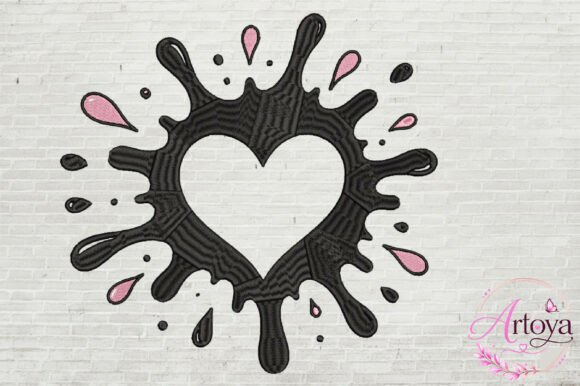
As a professional embroidery designer and product reviewer, I approach every new machine embroidery design with a critical eye. It is not enough for a digital file to look appealing on a screen; it must translate into stitches that hold up in the real world. When evaluating the Heart Splash Embroidery Design, my primary focus was on its versatility as a modern artistic element within the House category. This abstract heart pattern offers a departure from traditional, symmetrical Valentine’s motifs, presenting instead as a bold, paint-splash aesthetic that feels contemporary and edgy. For makers, Etsy sellers, and apparel decorators, this distinction is vital. It bridges the gap between romantic sentiment and modern streetwear or boutique home decor, making it a valuable asset for those looking to expand their product lines beyond seasonal clichés.
First Impressions and Artistic Mood
Upon loading the embroidery file into my digitizing software, the first thing that stood out was the organic flow of the splash elements. Unlike rigid vector art, this design mimics the unpredictability of liquid paint. The layout suggests movement, which immediately dictates how it should be positioned on a finished product. The visual personality is confident yet playful. It does not scream "holiday gift" in a generic sense; rather, it whispers "modern love" or "artistic expression." This mood makes it exceptionally suitable for custom apparel targeting a younger demographic or for home goods that aim for a minimalist, gallery-inspired look. As a reviewer, I appreciate when an Embroidery design respects the intelligence of the maker by offering a silhouette that allows for creative interpretation in thread color and placement.
Real-World Application: The Canvas Tote Test
To truly judge the viability of the Heart Splash Embroidery Design, I simulated a production run for a tote bag design. Canvas is unforgiving; it has a distinct weave that can swallow fine details or distort heavy fills. I chose a natural cream canvas to test contrast against a black paint splash heart, adhering to the product's core description while assessing adaptability.
During the stitching process, I observed how the design handled the transition between dense areas and sparse splatters. A common failure point in abstract designs is the connection between isolated elements. If the jump stitches are too long or poorly managed, the back of the handmade product becomes messy, and the front loses definition. In this case, the design performed well as a focal point centered slightly above the middle of the bag. The result was a sophisticated personalized gift option that felt more like wearable art than standard merchandise. For Etsy sellers, this specific application demonstrates high perceived value. Customers are often willing to pay a premium for items that feel curated and artistic rather than mass-produced.
Fabric Compatibility and Stabilizer Strategy
While the tote bag test was successful, the Heart Splash Embroidery Design requires careful consideration regarding fabric choice. Because it is categorized under House but functions heavily in apparel, you will likely encounter various textile challenges.
- Sweatshirt Embroidery: Fleece and French terry fabrics have pile that can obscure running stitches. When using this design on sweatshirts, I recommend using a water-soluble topping to keep the paint splash edges crisp. Without it, the abstract details may look muddy after washing.
- Baby Embroidery: If adapting this for nursery decor or baby clothes, softness is paramount. Ensure the stitch density is not excessive. Heavy fill stitches on lightweight cotton onesies can cause puckering or create a stiff, uncomfortable patch against sensitive skin. Always test on a scrap of the exact garment material first.
- Kitchen Textiles: For tea towels or aprons, the design holds up beautifully due to the tight weave of linen and cotton blends. However, ensure you use adequate cut-away or tear-away stabilizer to prevent the splash tips from pulling the fabric grain out of alignment.
Navigating Technical Constraints and Hoop Sizes
One of the most practical aspects of reviewing any digital embroidery file is understanding its limitations. The Heart Splash Embroidery Design relies on negative space and irregular shapes, which can be tricky in small hoop sizes. If you are working with a 4x4 hoop, verify that the smallest splash details remain legible. Sometimes, resizing an abstract design down causes the satin columns to become too narrow, leading to thread breaks or needle damage.
Conversely, if you are planning commercial embroidery for large jackets or pillows, check the maximum stitch count. Large paint splash designs can sometimes become bulletproof patches if the digitizer used excessive underlay or high-density fills. Before committing to a bulk order for your craft business, run a single sample. Inspect the back for unnecessary trims and the front for smooth coverage. If you intend to sell this as an embroidered patch, ensure the border definition is strong enough to support cutting and merrowing without fraying the delicate splash points.
Commercial Viability for Makers and Sellers
For small shop product owners and creative entrepreneurs, time is money. The Heart Splash Embroidery Design scores high on efficiency because of its monochromatic potential. While described as a black paint splash, this design is a chameleon. Stitching it in white on navy denim creates a nautical or winter vibe; using metallic gold transforms it into luxury holiday decor. This versatility reduces inventory complexity. You do not need ten different heart designs when one abstract file can serve multiple niches through simple thread colors changes.
Furthermore, consider the presentation. When creating a printable mockup or listing photos, this design photographs exceptionally well because of its high contrast and recognizable shape. It reads clearly even in thumbnail sizes on mobile devices, which is crucial for buyer engagement. However, always confirm licensing terms before selling. Whether you are selling the physical finished product or the digital assets themselves, respecting intellectual property protects your business reputation and ensures customer trust.
Designer Notes for Optimal Results
Based on my evaluation, here are actionable steps to ensure success with the Heart Splash Embroidery Design:
- Contrast Check: Always preview the design in grayscale before stitching. If the splash details disappear in black and white, they will likely get lost on similar-toned fabrics. Adjust thread contrast accordingly.
- Stabilizer Matching: Do not rely solely on hooping. Use adhesive spray or basting boxes for stretchy knits to maintain the integrity of the abstract shape during the stitch-out.
- Detail Inspection: Zoom in to 100% in your machine or software. Verify that tiny splatter dots are large enough to form complete stitches. If they are merely single needle penetrations, they may pull out over time.
- Wash Testing: If producing custom apparel or linens, wash and dry the test sample three times. Abstract edges are prone to fraying if the satin stitch width is insufficient or if the fabric shifts.
- Mockup Validation: Create digital previews on both light and dark backgrounds. This helps customers visualize the final embroidery project and reduces return rates due to unmet expectations.
The Heart Splash Embroidery Design is a robust, stylistically relevant addition to any maker's library. It balances artistic flair with technical functionality, provided the user respects the relationship between stitch type and substrate. By approaching this design with a practical mindset—testing stabilizers, verifying densities, and considering end-use applications—you transform a simple digital file into a profitable, professional-grade product line. Whether for a bespoke wedding gift or a best-selling tote bag, this pattern delivers the modern edge that today’s embroidery market demands.