Ottoman Runner Border Embroidery Review
Evaluating Elegance for Craft Fair Success
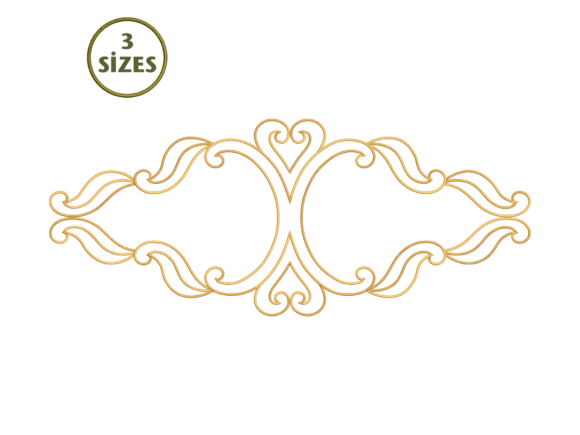
As an experienced embroidery designer preparing for a weekend craft fair, my first step is always assessing whether a digital file translates into a tangible, sellable product. When reviewing the Ottoman Runner Border Embroidery, the immediate impression is one of sophisticated heritage. This is not a cutesy or novelty design; it feels premium, historical, and intentionally decorative. The description highlights a symmetrical arrangement of graceful, flowing scrolls and delicate heart shapes, which signals to me that this machine embroidery design belongs in the "elevated home goods" category rather than everyday utility.
For a booth display, visual hierarchy is everything. Customers browsing handmade markets are drawn to items that look expensive but remain accessible. The Ottoman aesthetic suggests intricate artistry without being visually chaotic. My initial judgment is that this design carries a romantic, vintage elegance that pairs exceptionally well with natural fibers like linen, cotton duck, and unbleached muslin. It does not scream for attention through neon colors or bold block letters; instead, it invites the customer to lean in and appreciate the craftsmanship. For an Etsy seller or boutique maker, this specific mood is crucial for establishing brand consistency across a collection of high-end kitchen textiles.
Best Product Applications for Market Sales
Determining where to place the Ottoman Runner Border Embroidery requires understanding how border designs function structurally. Unlike centered motifs, borders define edges and frame negative space. Based on the symmetrical scrollwork and heart details, I have identified three primary craft fair product categories where this design will yield the highest return on investment.
Luxury Tea Towels and Kitchen Linens
This is the most natural application. As a tea towel embroidery project, the border format allows you to utilize the full width of standard kitchen linens. The symmetrical nature means you can mirror the design or repeat it along the bottom hem to create a balanced, professional finish. In a market setting, tea towels featuring this level of detail serve as excellent entry-point purchases. They allow customers to buy into the "Ottoman Flourish" aesthetic at a lower price point than larger textiles. Ensure the fabric texture is smooth enough to support fine details; a slubbed linen adds rustic charm, but a tight-weave cotton ensures the delicate hearts remain crisp.
Structured Tote Bags and Market Shoppers
A plain canvas tote is a staple, but an embroidered one commands a higher price. Using this as a tote bag design works best when placed near the top opening or across the bottom third of the bag. The scrolling elements add movement to what is typically a static, boxy silhouette. For commercial embroidery businesses, this transforms a generic blank into a signature handmade product. The key here is scale; the border must be substantial enough to be seen from five feet away in a crowded aisle. If the design is too dainty for heavy canvas, consider using it as an accent on a lighter weight cotton shopper instead.
Decorative Pillow Covers and Table Runners
While the title suggests a runner, this design is equally powerful on pillow covers. The symmetry allows for versatile placement—either as a single band across the center or as mirrored borders framing the top and bottom. This application targets the home decor buyer looking for cohesive styling. For small shop product lines, offering a matching set (e.g., a table runner and coordinating napkins) increases average order value. The "delicate heart-shapes" mentioned in the description add a subtle warmth that prevents the piece from feeling too austere or museum-like, making it perfect for modern farmhouse or boho-chic interiors.
Production Practicalities and Booth Display Strategy
A beautiful embroidery file is useless if it cannot be produced efficiently or photographed effectively. When prepping for a fair, I evaluate the Ottoman Runner Border Embroidery through the lens of batch production and visual merchandising.
- Batch Production Viability: Border designs are generally faster to hoop and align than large center pieces because they often require less re-hooping. However, verify the hoop size requirements before committing. If the design fits within your largest single-run hoop, it is highly efficient. If it requires splitting and realigning, factor in extra labor time for perfect registration.
- Photography for Online Listings: Symmetrical designs photograph beautifully because they create natural leading lines. For your printable mockup or Etsy listing photos, shoot the item straight-on to emphasize the balance. Avoid angled shots that might distort the perception of the scrollwork’s alignment.
- Booth Engagement: Because this design features fine details, it demands tactile interaction. Display samples at eye level and encourage touching. The contrast between the sheen of the thread and the matte fabric sells the quality better than any sign could.
Critical Technical Considerations for Makers
Even the most elegant digital embroidery file has limitations based on physics and materials. As a designer, I must flag specific areas where caution is required to maintain the integrity of the Ottoman Runner Border Embroidery.
Fabric Compatibility and Stabilizer Selection
The mention of "delicate" elements implies varying stitch density. On thick terry cloth or plush fabrics, these fine scrolls may sink and disappear. Reserve this design for medium-weight, stable woven fabrics. Always use appropriate stabilizer; for borders on runners or towels, a tear-away or wash-away topping is often necessary to prevent stitches from sinking into the weave. Test on scrap fabric identical to your final product before running a production batch.
Thread Contrast and Color Planning
Ottoman art relies heavily on tonal variation. Using a single thread color might flatten the design, obscuring the distinction between the scrolls and the heart shapes. Plan your thread colors carefully. A monochromatic scheme using two shades of the same hue (e.g., navy and slate blue) often reads more sophisticated than high-contrast multicolor. Dark fabric requires light thread, but ensure the underlay is sufficient to prevent the dark fabric from showing through satin stitches.
Scaling and Clarity Limits
Be wary of resizing. Reducing a complex border design by more than 10-15% can cause the delicate heart shapes to become muddy or cause needle breaks due to overlapping stitches. Conversely, enlarging it excessively may reveal gaps in the fill patterns. Stick close to the original digitized size unless you have the software and expertise to recalculate stitch parameters. Always confirm commercial licensing terms for the specific design assets you purchase to ensure you are legally cleared to sell the finished product at markets.
Final Verdict for Creative Entrepreneurs
The Ottoman Runner Border Embroidery represents a strong opportunity for makers focusing on the kitchen and home textile niche. Its strength lies in its versatility as both a focal point and a complementary accent. It elevates simple blanks into heirloom-quality goods, justifying premium pricing at craft fairs and online. By respecting the technical requirements regarding fabric choice, stabilization, and scale, this design can become a cornerstone of a sophisticated, profitable embroidery business. Remember to create at least one physical sample before the fair; seeing the interplay of light on the threads is the only true way to validate its market readiness.