Oval Seashell Embroidery: A Craft Fair Review
As an experienced embroidery designer preparing for a busy weekend craft fair, I approach every new machine embroidery design with a critical eye. It is not enough for a file to simply digitize well on screen; it must translate into a tangible, sellable handmade product that catches the attention of shoppers walking past a booth. When evaluating the Oval Seashell Embroidery for my upcoming market table, I am looking at more than just aesthetics. I am analyzing production efficiency, visual impact from a distance, and versatility across different inventory categories. This digital asset arrives in ZIP or RAR format as an instant download, meaning there is no physical shipping wait time, but it also means thorough testing is required before committing to batch production.
First Impressions and Market Viability
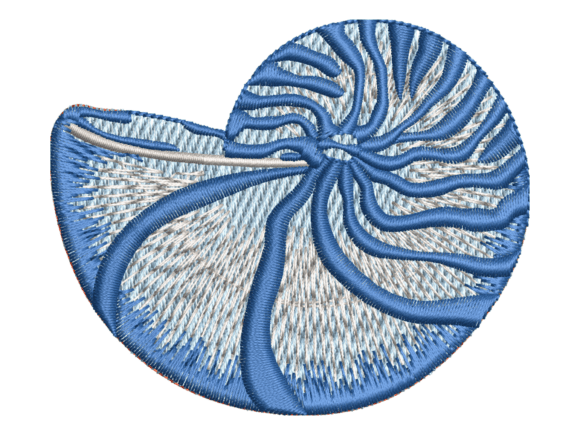
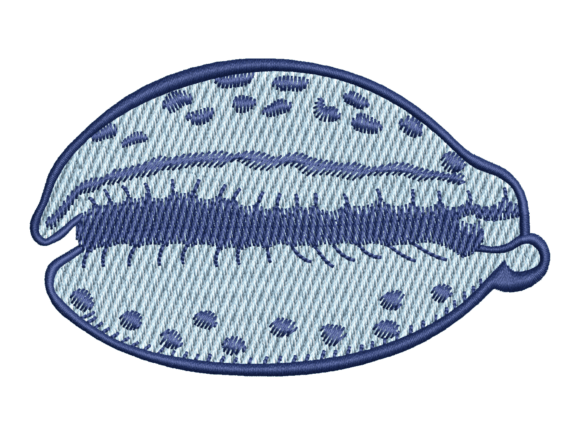
The first impression of Oval Seashell Embroidery is distinctly coastal yet refined. Unlike novelty fish designs that can sometimes skew too juvenile or cartoonish, this oval shell motif carries an air of elegant simplicity. It feels organic and soft, making it suitable for both rustic farmhouse displays and modern boutique setups. For an Etsy seller or boutique maker, this balance is crucial. The design does not scream "beach souvenir"; instead, it whispers "coastal living," which broadens its appeal beyond seasonal tourists to year-round home decor buyers.
In a crowded craft fair environment, clarity is king. Shoppers often decide within seconds whether to stop at a table. The oval shape provides a natural frame that contains the artwork neatly, preventing the design from looking lost on larger items or overwhelming on smaller ones. This geometric containment makes the Oval Seashell Embroidery highly readable from three to five feet away, which is the standard engagement distance at a market booth. It avoids the visual clutter that often plagues complex marine life designs, ensuring the customer understands exactly what they are looking at instantly.
Best Performing Products for Booth Displays
Determining where to place this design is just as important as the design itself. Based on current market trends and practical production constraints, here is how Oval Seashell Embroidery performs across key craft fair product categories:
- Tote Bag Design: This is arguably the strongest application. Canvas totes provide a stable, flat surface that allows the oval shape to sit perfectly centered. The design works beautifully as a single focal point on natural cotton canvas or as a repeating pattern on heavier denim market bags.
- Tea Towel Embroidery: Linen and flour sack towels are high-margin sellers. The oval silhouette mimics the vertical orientation of a towel when folded, making it aesthetically pleasing even in stacked display piles. It pairs exceptionally well with neutral linens and soft blues.
- Apron Embroidery: Placing the shell on the bib or lower pocket of a linen apron creates a premium feel. Because the design is contained, it does not interfere with the functional aspects of the apron, maintaining the garment's utility while adding handmade charm.
- Embroidered Patch: The defined oval border makes this an ideal candidate for patches. These can be sold as standalone add-ons at the register or pre-applied to caps and pouches. Patches allow customers to customize their own gear, increasing average transaction value.
- Pillow Covers: For home decor vendors, this design offers a sophisticated accent. It is less aggressive than full-coverage prints, appealing to customers who want subtle coastal touches rather than overt nautical themes.
Production Practicality and Batch Efficiency
For a small shop product line, time is money. When reviewing the Oval Seashell Embroidery for commercial use, I assess how quickly it can be produced without sacrificing quality. The oval geometry is forgiving during hooping. Unlike irregular shapes that require precise alignment marks, an oval can be centered visually with relative ease, reducing setup time between runs. This is vital when producing fifty tea towels or twenty tote bags in a single session.
Photographing finished goods for online listings is another consideration. The clean lines of the shell photograph crisply, even in natural light. There are no erratic tendrils or tiny details that might blur in camera focus. This makes creating a printable mockup or digital listing photo straightforward. The design assets translate well to social media, where high contrast and clear subject matter drive engagement. Furthermore, because the design is self-contained, it scales effectively. It can serve as a small accent on a wristlet or a large statement piece on a beach blanket without losing its structural integrity, provided the digitizer has accounted for density changes at different sizes.
Critical Technical Considerations and Fabric Pairing
Despite its apparent simplicity, any digital embroidery file requires technical due diligence. As a professional, I must highlight specific areas where caution is necessary to ensure the finished product meets retail standards.
Fabric Texture and Stabilizer Selection
Seashell designs often utilize satin stitches to mimic the ridges of the shell. On textured fabrics like terry cloth or waffle weave towels, these stitches can sink into the pile, causing the design to disappear. You must use an appropriate water-soluble topping and a sturdy cutaway stabilizer to keep the stitches sitting on top of the fabric texture. For caps, the curved surface presents a challenge; ensure your hoop size accommodates the oval dimensions without distorting the curve, or opt for flat-brim styles if the design is wide.
Stitch Density and Thread Contrast
Check the stitch density before running a full production batch. If the fill areas are too dense, the fabric may pucker, especially on lightweight tea towels. Conversely, if the density is too low, the shell may look sparse on darker fabrics. Thread colors matter immensely here. While white-on-white looks elegant on linen, it may vanish in poor booth lighting. Test high-contrast combinations, such as navy thread on cream canvas or metallic gold on slate blue cotton, to ensure visibility. Always verify that the design maintains clarity if resized; tiny details in the shell’s interior ridges may merge if reduced below a certain threshold.
Designer Notes for Commercial Success
Before listing Oval Seashell Embroidery as part of your commercial embroidery inventory, adhere to these professional best practices:
- Test Sew-Outs Are Mandatory: Never trust the screen preview. Run a test on the exact fabric and stabilizer combination you intend to sell. Inspect the back for excessive jump stitches or bobbin thread show-through.
- Verify Licensing: Since this is a digital product with no returns or refunds, confirm the commercial license terms immediately upon download. Ensure you have the right to sell physical items made from this file at markets and online.
- Create Real Mockups: Do not rely solely on software renderings. Stitch out at least one sample to photograph. Customers trust real photos over digital simulations, and this builds confidence in your handmade quality.
- Check File Compatibility: The files arrive in ZIP or RAR format. Extract them carefully and verify compatibility with your specific machine brand before purchasing additional hoops or supplies.
- Assess Colorway Versatility: Plan at least three distinct color palettes. A monochrome version for minimalist buyers, a traditional pink/peach for classic tastes, and a bold turquoise/teal for vibrant summer collections. This maximizes the ROI of a single design file.
Ultimately, Oval Seashell Embroidery represents a strong opportunity for makers who value versatility and timeless appeal over fleeting trends. Its structured form makes it a reliable workhorse for tote bag design, apron embroidery, and home goods. By approaching this design with professional scrutiny—testing densities, selecting appropriate substrates, and respecting licensing terms—you transform a simple digital download into a profitable pillar of your craft fair collection. Remember, in the handmade market, the difference between a browse and a sale often lies in the execution. Treat this design with the technical respect it deserves, and it will serve as a beautiful, profitable addition to your product lineup.