Wedding Rings Embroidery Design: A Maker’s Review
As I prepare my inventory for the upcoming weekend craft fair, my focus shifts from digital creation to tangible production. The transition from screen to fabric is where a design truly proves its worth. When evaluating the Wedding Rings Embroidery Design for my booth lineup, I am looking at more than just aesthetic appeal; I am assessing stitch integrity, production speed, and commercial viability. This specific machine embroidery design arrives as an instant download with five distinct sizes, offering immediate flexibility for a variety of handmade products. However, having multiple sizes does not automatically guarantee success on every substrate. As an experienced designer, I must critically analyze how this digital embroidery file translates into physical goods that customers will actually pick up and purchase.
First Impressions and Visual Hierarchy
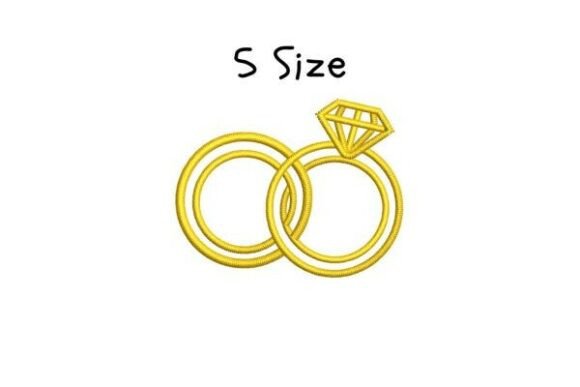
Upon loading the embroidery file into my software, the Wedding Rings Embroidery Design presents itself as a classic, elegant motif. It avoids overly ornate flourishes that can become muddy in thread, leaning instead toward clean lines and balanced proportions. This minimal yet decorative approach is crucial for craft fair environments where visual clarity must be instantaneous. Customers walking past a booth have only seconds to register what an item is. A design that is too busy or dense often reads as a blur from three feet away. This design feels premium and timeless rather than trendy or novelty-based, which suggests it will appeal to brides, grooms, and gift-givers looking for enduring quality rather than disposable decor.
The elegance of the rings serves as a versatile anchor. It is bold enough to stand alone on a small pouch but refined enough to act as a secondary element alongside personalized text on larger items. For Etsy sellers and boutique makers, this balance is essential. It allows the design to function across different price points without losing its inherent value. The visual weight appears evenly distributed, which is a positive indicator for registration issues during high-speed commercial embroidery production.
Evaluating Product Applications for Market Sales
Determining the best canvas for this design requires understanding both the stitch structure and the target demographic. Based on the five available sizes, I have identified several high-potential applications for my table display:
- Tote Bag Design: Using one of the medium-to-large sizes, this design works beautifully as a centerpiece on natural cotton totes. The contrast of white or metallic thread against unbleached canvas creates a sophisticated bridal shower gift or bachelorette party favor. Tote bags are high-volume sellers at markets because they are functional keepsakes.
- Tea Towel Embroidery: Kitchen linens are staples for handmade shops. The Wedding Rings Embroidery Design likely performs best here in a medium size, placed above the hemline. Flour sack towels provide a smooth surface that showcases detail better than textured terry cloth. These make excellent "newlywed" starter kit items.
- Apron Embroidery: For cooking classes or wedding prep, an apron featuring this design adds a touch of celebration to utility. Placement should be centered on the chest bib or lower pocket area. Ensure the hoop size accommodates the curve of the apron without distorting the circular geometry of the rings.
- Embroidered Patch: The smallest size is ideal for creating standalone patches. These can be sold individually as add-on items or applied to denim jackets and caps. Patches maximize profit margins as they require minimal fabric and stabilizer while commanding a healthy retail price due to their perceived customization value.
- Fabric Pouches and Pillow Covers: Smaller ring sizes work perfectly for zipper pulls, cosmetic bags, or throw pillow accents. These items allow for batch production, enabling me to stock multiple units without excessive machine time.
Production Practicalities and Stabilization Strategy
The product description explicitly states: "Please ensure proper stabilization is used to achieve a beautiful and flat finish." This is not merely a suggestion; it is a critical directive for maintaining professional standards. Ring designs inherently contain curves and potentially satin stitches that can pull or pucker if the foundation is inadequate. When preparing for a craft fair, efficiency cannot come at the cost of quality. A puckered design screams "amateur" and devalues the entire brand.
For woven fabrics like canvas totes or linen tea towels, I recommend a medium-weight cutaway stabilizer permanently adhered with temporary spray adhesive. Tear-away stabilizers may leave residue or distort the circular shape upon removal. For stretchy knits or performance fabrics, a fusible no-show mesh is mandatory to prevent the rings from warping after washing. Always test the stitch density on scrap fabric identical to your finished product before committing to a full production run. If the design feels stiff or bulletproof, consider reducing density slightly or using a lighter thread weight to maintain drape and softness.
Navigating Fabric Texture and Contrast
While the description notes the design can be embroidered on any product or fabric, practical experience dictates caution. Highly textured surfaces like terry cloth, fleece, or ribbed knits can swallow fine details. If stitching on these materials, use a water-soluble topping to keep the stitches visible and crisp. Without a topping, the intricate parts of the Wedding Rings Embroidery Design may sink into the pile, rendering the symbol unrecognizable.
Thread color selection also impacts readability. White-on-white embroidery looks luxurious in photos but can disappear in low-light craft fair settings. Opt for high-contrast combinations such as charcoal on ivory, gold on navy, or silver on blush. Metallic threads add significant perceived value to wedding designs but require specialized needles and slower machine speeds to prevent breakage during batch production. Factor this extra time into your pricing model.
Merchandising and Digital Presentation Tips
A successful craft fair product relies heavily on presentation. Because this is a symbolic design, context matters. Display embroidered samples alongside complementary props like lace ribbons, dried flowers, or ceramic vases to reinforce the wedding theme. Group items by application rather than randomly scattering them; a dedicated "Bridal Corner" draws targeted traffic more effectively than a mixed general table.
For online sales supporting the physical event, printable mockups are useful for listing variations, but nothing replaces photography of the actual stitched sample. Customers need to see how the thread interacts with the fabric texture. Capture close-ups showing stitch definition and flatness to prove adherence to stabilization best practices. Mention the specific hoop size used in your listings to manage buyer expectations regarding scale. If you offer personalization alongside the Wedding Rings Embroidery Design, showcase examples with names and dates to demonstrate spacing and layout harmony.
Final Designer Notes for Commercial Success
Before listing this as a commercial embroidery product or selling finished goods, verify all licensing terms included with the digital assets. Confirm whether the instant download permits unlimited physical sales or imposes quantity caps. Respecting intellectual property protects your business reputation and ensures long-term sustainability.
Ultimately, the Wedding Rings Embroidery Design offers strong potential for handmade market success due to its versatility and classic appeal. By respecting technical requirements—particularly stabilization and fabric compatibility—and applying strategic merchandising, this design can become a reliable revenue stream. Test thoroughly, produce mindfully, and present professionally. In the competitive landscape of wedding designs, execution distinguishes the hobbyist from the established maker. Your attention to these details is what transforms a simple digital file into a cherished heirloom that customers are proud to display.