Allah Calligraphy Embroidery: A Designer’s Practical Review
When evaluating religious artwork for machine embroidery, the margin for error is incredibly slim. Unlike floral motifs or geometric patterns where a slight stitch misalignment might be forgiven as artistic texture, calligraphy demands absolute precision. As a designer who regularly creates faith-based merchandise for Etsy shops and boutique clients, I approached this Allah Calligraphy Embroidery file with a critical eye. My primary concern was not just aesthetic beauty, but structural integrity on fabric. After downloading the digital embroidery file and running initial tests, here is my honest assessment of how this design performs in real-world production scenarios.
First Impressions and Visual Weight
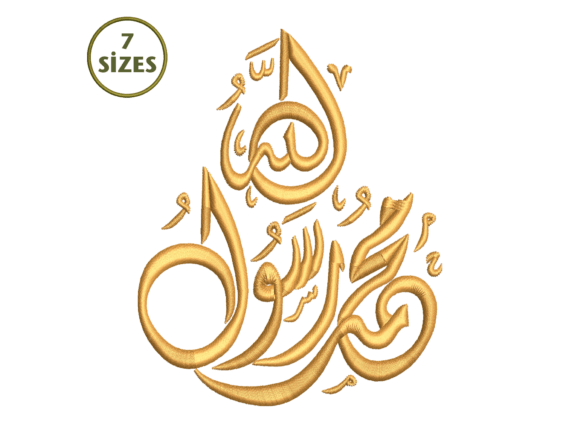
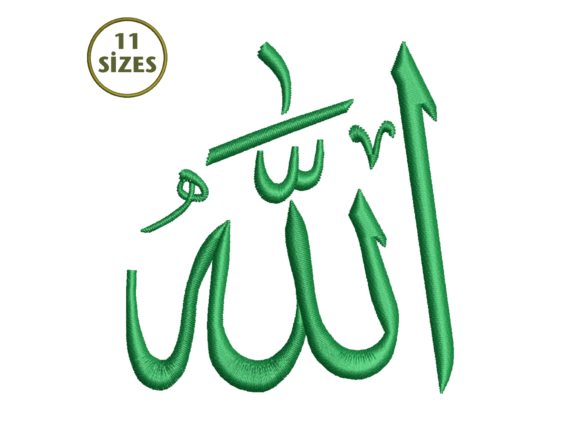
Upon opening the ZIP file, the first thing I assessed was the digitizing style. Religious calligraphy often suffers from being too dense, turning into a bulletproof patch that puckers lightweight fabrics. Fortunately, this Allah Calligraphy Embroidery design appears to balance visual weight with stitch economy. The flow of the script suggests a thoughtful approach to satin stitch placement, avoiding excessive jump stitches that require tedious trimming later. For a handmade product intended to convey reverence and elegance, the lines feel fluid rather than blocky. This visual softness is crucial when translating ink-based Arabic script into thread; it prevents the design from looking industrial or harsh against organic textiles.
Real-World Test: The Premium Tote Bag Project
To truly judge the utility of this embroidery file, I moved beyond the screen and tested it on a 12oz natural cotton canvas tote bag. This is a staple item for many craft business owners and serves as an excellent benchmark for stabilizer requirements and stitch clarity. Canvas has a distinct fabric texture that can swallow fine details, so I used a medium-weight cut-away stabilizer to ensure the lettering remained crisp.
The stitching process revealed several practical strengths. The registration between different color blocks was tight, which is essential for maintaining the legibility of sacred text. On the finished product, the Allah Calligraphy Embroidery sat flat against the canvas without significant tunneling or distortion. This tells me the stitch density has been optimized for commercial embroidery use. For an Etsy seller listing personalized gifts or Islamic decor, this level of finish inspires buyer confidence. Customers examining product photos zoom in on lettering edges; clean satin columns here translate directly to perceived value and professionalism.
Best Applications for Commercial and Personal Use
Based on my testing, this design excels in specific categories where clarity and dignity are paramount. It is particularly well-suited for:
- Custom Apparel: Sweatshirt embroidery and hoodie designs benefit from the design's balanced density. It provides enough coverage to be visible on fleece without weighing down the garment or causing drape issues.
- Home Decor: Pillow covers and wall hangings allow the calligraphy to be displayed at a larger scale, showcasing the intricacy of the digitizing. The design holds up well on linen and cotton blends commonly used in nursery decor.
- Ramadan and Eid Merchandise: As holiday embroidery, this file works beautifully on tea towels, table runners, and gift bags. The instant download nature of the product makes it ideal for makers preparing seasonal inventory on tight deadlines.
- Baby Embroidery: While care must be taken with sizing, the design is appropriate for blankets and bibs, provided the backing is soft against sensitive skin.
For digital product sellers and creative entrepreneurs, this file also serves as a strong asset for printable mockups. The clean lines render well in digital previews, helping you market finished items before committing to physical production.
Critical Considerations and Fabric Limitations
No machine embroidery design is universal, and respecting the limitations of this Allah Calligraphy Embroidery file is key to avoiding wasted materials. During my review, I identified specific contexts where caution is required.
Stretchy and Thin Fabrics
If you plan to use this on performance wear, thin jersey knits, or stretchy t-shirts, you must adjust your stabilization strategy. Calligraphy relies on precise column widths; if the fabric shifts during stitching, the letters will distort. I recommend using a fusible no-show mesh stabilizer combined with temporary spray adhesive. Without this extra security, the intricate curves may pull the fabric, resulting in a warped finished product that fails to meet professional standards.
Small Hoop Sizes and Tiny Details
While the design scales reasonably well, reducing it below its intended minimum size risks losing interior details within the letters. Satin stitches have a physical limit; make them too narrow, and they become running stitches or disappear entirely. Always check the smallest recommended dimensions included in your download. If you need a miniature version for a cap or pocket logo, verify that the digitizer has provided a specifically resized variant rather than simply shrinking the master file.
Textured and Dark Fabrics
On highly textured surfaces like terry cloth or boucle, the fine lines of calligraphy can get lost. In these cases, consider placing a water-soluble topping to keep the stitches on the surface. Similarly, when working with dark fabrics, thread color contrast is non-negotiable. Metallic gold or silver threads look stunning with this theme but can be temperamental. Test your tension first; metallic thread breaks mid-stitch can ruin a complex calligraphy piece. For high-contrast needs, classic white or cream rayon often photographs better for online listings than metallics, which can glare in flash photography.
Designer Notes for Professional Results
As someone who manages both personal projects and client work, I adhere to a strict checklist before selling any embroidered item. Here are my practical recommendations for utilizing this Allah Calligraphy Embroidery asset effectively:
- Always Test Stitch: Never run this design directly on a final sellable item without a test on similar scrap fabric. Check for registration errors and confirm that your machine handles the stitch direction changes smoothly.
- Verify Licensing: Since this is a digital download, carefully review the included license terms. Confirm whether you have rights to sell finished physical products versus reselling the digital embroidery file itself. Protecting your craft business means respecting intellectual property.
- Stabilizer Matching: Match your stabilizer to your fabric weight, not just the design density. A heavy cut-away might be overkill for a light cotton prayer mat, while tear-away might be insufficient for a structured tote bag design.
- Mockup Accuracy: When creating listings for Etsy or your own website, use realistic mockups that reflect the actual stitch texture. Overly smooth digital renders can lead to customer disappointment. Show the real thread sheen and fabric interaction.
- Thread Color Selection: Respect the cultural and religious context. Traditional colors often carry specific meanings. Ensure your palette aligns with customer expectations for religious artifacts.
Elevating Your Handmade Brand
Incorporating high-quality religious art into your product line requires more than just loading a file and pressing start. It requires an understanding of how thread interacts with textile to convey meaning. This Allah Calligraphy Embroidery design offers a solid foundation for makers who value craftsmanship. Its balanced digitizing supports a wide range of applications, from intimate personalized gifts to broader commercial embroidery collections.
By paying attention to fabric choice, stabilization, and respectful presentation, you transform a simple digital file into a meaningful tangible object. Whether you are expanding your shop’s holiday inventory or fulfilling a custom commission, approaching this design with technical mindfulness ensures the final result honors both the art form and the sentiment behind it. Remember to always check the specific file formats and hoop sizes included in your purchase to ensure compatibility with your equipment before beginning your next embroidery project.