Wine Bottle and Glass Embroidery Review
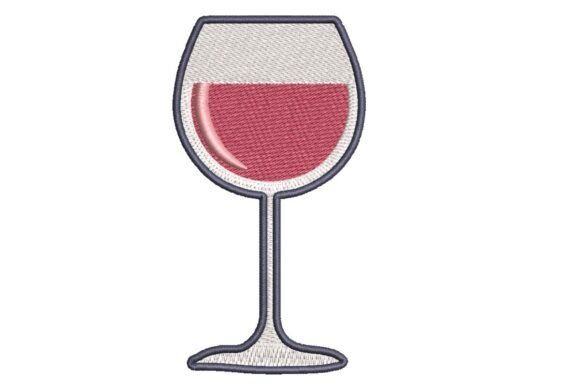
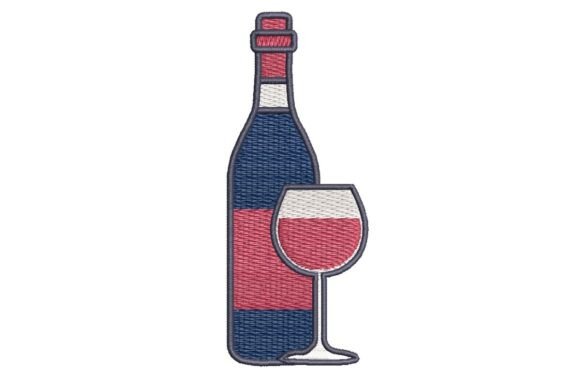
As I prepare my booth inventory for the upcoming weekend craft fair, I am constantly evaluating which designs will actually move off the table. When reviewing the Wine Bottle and Glass Embroidery design, my first impression is one of sophisticated versatility. Based on the description featuring a classic bottle of red paired with a perfectly filled glass and clean horizontal elements, this machine embroidery design strikes a balance between rustic charm and modern elegance. It does not feel overly cartoonish or novelty-based; instead, it presents as a premium graphic suitable for adult-oriented handmade products. For an Etsy seller or boutique maker, this aesthetic is crucial because it elevates the perceived value of the finished product beyond simple kitsch.
First Impressions and Booth Appeal
When setting up a table display, visual hierarchy is everything. Customers walking through a crowded market need to understand what a product is within seconds. The Wine Bottle and Glass Embroidery succeeds here because of its recognizable silhouette. The mention of "clean, horizont" in the design description suggests a structured layout that likely includes horizontal stitching or text placement, providing a stable visual anchor. This makes the design feel grounded and intentional rather than floating aimlessly on the fabric.
For a craft fair product, this design reads as elegant and festive without being seasonal. It avoids the trap of looking like a Christmas-only item, meaning it can sell year-round at wineries, bridal showers, bachelorette parties, and general artisan markets. The sophistication implied by the "classic bottle of red" motif appeals to buyers looking for gifts that feel mature and high-quality. As an experienced designer, I appreciate when a digital embroidery file offers this level of timelessness, as it protects my return on investment across multiple selling seasons.
Best Product Applications for Market Sales
Determining where to apply this embroidery file is just as important as the design itself. Based on the wine theme and horizontal composition, certain items will naturally outperform others in a retail setting.
- Tea Towel Embroidery: This is arguably the strongest application. Kitchen towels are a staple small shop product. The vertical nature of a bottle and glass fits perfectly on a towel, and the horizontal elements can frame the design beautifully. Flour sack towels or waffle weave fabrics provide an excellent canvas for this level of detail.
- Tote Bag Design: Wine-themed tote bags are top sellers at farmers' markets and vineyard events. A canvas tote featuring this design serves as both a functional carrier and a fashion statement. Ensure the design is centered and sized appropriately so it remains visible even when the bag is full.
- Apron Embroidery: For cooking enthusiasts and entertainers, an apron with this motif signals a love for culinary arts. Place the design on the chest bib or lower pocket area. This transforms a utilitarian garment into a personalized handmade gift.
- Embroidered Patch: If you want to offer a lower price point item at your booth, convert this design into a patch. Patches allow customers to customize their own denim jackets or caps later. However, ensure the stitch density supports a merrowed edge if you plan to produce these commercially.
- Pillow Covers: For home decor vendors, this design works well on linen or cotton pillow covers. It adds a touch of hospitality to a living space or bar cart area.
Production Practicality and Batch Efficiency
As a business owner, I must consider production speed. A beautiful design is useless if it takes three hours to stitch and causes excessive thread breaks. The Wine Bottle and Glass Embroidery appears conducive to batch production due to its described cleanliness. Designs with "clean" lines typically have fewer jump stitches and trims compared to hyper-realistic shading, which speeds up machine runtime.
Photographing this design for online listings should also be straightforward. The distinct contrast between a wine bottle/glass and most background fabrics creates natural focal points. When creating a printable mockup or listing photo, use natural lighting to capture the sheen of the threads, especially if using rayon or polyester for the liquid portion of the glass. This highlights the texture and reinforces the handmade quality that digital prints cannot replicate.
Critical Technical Considerations
While the concept is strong, execution requires attention to technical details. Before committing to a full production run for the weekend, consider these potential pitfalls common to wine-themed embroidery:
- Fabric Texture and Stability: Wine bottles have long, thin necks. On textured fabrics like terry cloth or loose-weave linen, these narrow columns can get lost or sink in. Always use an appropriate stabilizer. A cut-away stabilizer is often safer than tear-away for maintaining the crispness of the bottle’s outline over time.
- Stitch Density Management: Check the fill areas of the glass and bottle. If the stitch density is too high, it can cause puckering on lighter weight tea towels. Conversely, if it is too low, the fabric grain may show through the "red wine" fill, making it look cheap. Test on scrap fabric identical to your final product.
- Small Details and Lettering: If the design includes labels on the bottle or rim details on the glass, verify legibility at smaller sizes. Tiny satin stitches can fray or disappear after washing. If you plan to resize this digital embroidery file down for a cap or pouch, you may need to simplify these elements manually.
- Thread Colors and Contrast: Red wine varies from bright ruby to deep purple. Select thread colors that read clearly against your chosen fabric. Dark red thread on black fabric will vanish; opt for a brighter burgundy or add a highlight stitch to define the shape. Similarly, ensure the glass has enough definition (perhaps via an outline or shadow) so it doesn't blend into white fabric.
- Hoop Size Verification: Confirm the dimensions fit your available hoops without excessive empty space. Wasted hoop space equals wasted production time. If the design utilizes the full 4x4 or 5x7 field efficiently, it maximizes your output per hour.
Designer Notes for Commercial Success
To ensure this Wine Bottle and Glass Embroidery becomes a profitable asset rather than a source of frustration, follow this pre-production checklist. First, always check the licensing terms included with the design assets. Confirm you have the right to sell finished physical products, especially if you are operating as a registered business or selling on platforms like Etsy.
Second, create at least one real-world sample before the fair. Digital screens lie; thread does not. Stitch out the design on the exact material you intend to sell. Inspect the registration marks and alignment. Does the glass sit level? Is the bottle straight? Crooked wine looks unprofessional. Adjust your hooping technique or digitizing offsets if necessary.
Finally, think about bundling. Since this design evokes entertaining and hosting, pair your embroidered tea towels with wine openers, or bundle an apron with a matching oven mitt. This increases average order value and showcases the design in a lifestyle context. By treating Wine Bottle and Glass Embroidery not just as a picture, but as a component of a larger product strategy, you enhance both your brand consistency and your booth's bottom line. Whether you are a seasoned commercial embroidery veteran or a new creative entrepreneur, respecting the technical and commercial realities of this design will help uncork your true selling potential.